What Are the Anion Gap?
The anion gap is a computed result used to assist assess serum electrolytes and understand a person’s acid base status. It looks at the main measured positive ions and negative ions in the blood, especially sodium and chloride, with bicarbonate included in the balance. Because not every ion is directly measured, the anion gap offers a clue about unmeasured ions that may be present in the blood.
Clinicians often use this number as a diagnostic marker during a medical assessment when a person has an abnormal result on a blood chemistry panel or basic metabolic panel. It is not a standalone diagnosis. Instead, it helps shape clinical interpretation of a person’s electrolyte balance, possible systemic acidosis, and overall serum chemistry.
One reason the anion gap is so useful is that it can uncover a hidden change in anion concentration. If acids build up in the blood, the gap often rises. If certain proteins, measurement issues, or unusual conditions are present, the gap can fall. That is why the anion gap is both a screening test and an interpretive guide rather than a final answer by itself.
Anion Gap Equation and Calculator Inputs
This anion gap formula is straightforward:
Anion gap = sodium - (chloride + bicarbonate)
Some labs and calculators may use an alternate formula depending on whether potassium is included, but the most common modern formula leaves potassium out. That is why an Anion Gap Calculator is useful: it can rapidly perform the gap calculation once the correct lab inputs are entered.
To use the calculator properly, you need values from a blood test or basic metabolic panel. The typical inputs are:
- Sodium Chloride Bicarbonate
These are part of routine serum electrolytes and are usually reported in milliequivalents per liter. The calculator then returns a calculated value that can be compared with the lab’s reference interval.
Because the anion gap reflects the difference between measured cations and measured anions, it indirectly estimates the amount of unmeasured ions in the serum. That is why the result can support a broader medical assessment of acid-base disorders. It is a practical way to spot whether the blood chemistry pattern fits metabolic acidosis or another imbalance.
Step by Step: How to Determine the Anion Gap
Here are the core steps for calculation for determining the anion gap from common lab values:
- Locate the serum sodium value from the lab report. Identify the serum chloride value. Find the bicarbonate value. Combine chloride and bicarbonate together. Deduct that sum from sodium.
Example: If serum sodium is 140, serum chloride is 102, and bicarbonate is 24, then:
140 - (102 + 24) = 14
In this example, the anion gap is 14. Whether that is normal depends on the lab’s reference range, the testing method, and sometimes the patient’s albumin level. For that reason, a single number should always be considered alongside the rest of the laboratory result.
When using an Anion Gap Calculator, make sure the inputs come from the same draw and the same blood chemistry panel. Mixed values can distort the final interpretation. The calculator is only as accurate as the lab values entered into it, so reviewing the report carefully matters.
Practically speaking, the question is not only “What is the number?” but also “What does this number mean in context?” That context includes the rest of the serum chemistry, the patient’s symptoms, and whether there is evidence of metabolic acidosis or another acid-base disorder.
What’s a Standard Anion Gap?
A reference interval for the anion gap can differ by lab because different instruments and methods create different benchmark range values. In many settings, the normal anion gap is somewhere in a relatively tight interval, but the exact cutoff should always be taken from the lab report.
The anion gap is also affected by albumin, the main negatively charged protein in the blood. When albumin is low, the gap may appear lower than expected even if no major acid-base problem is present. This is one reason clinicians may adjust their thinking using a calibration factor for albumin in certain situations.
Because albumin affects the measured gap, a within-range result on a chemistry panel does not always rule out a clinically important problem. Likewise, a slightly outside value does not automatically mean disease. The full medical interpretation depends on the rest of the patient’s picture, including the electrolyte levels, other tests, and symptoms.
In practice, the anion gap is most helpful when it is checked to the lab’s expected range and then evaluated for trends. A result that is near the upper end of normal may still matter if the patient has signs of acid buildup. That is why the anion gap remains a useful diagnostic marker in routine clinical review.
What Does a High Anion Gap Suggest?
A high anion gap often suggests that acids or other negatively charged substances have built up in the blood. This result is frequently associated with metabolic acidosis. In simple terms, the measured bicarbonate falls as it is used to buffer acids, while the gap goes up because of increased undetected ions.
Both well-known reasons of a high anion gap are elevated lactate and ketoacidosis. In lactic acidosis, the body builds up lactate, often because tissues are not getting enough oxygen or because of severe illness. In ketoacidosis, ketones increase, usually in settings such as diabetes, prolonged fasting, or severe carbohydrate deficiency.
A raised gap may also occur in other types of systemic acidemia. The important idea is that the blood holds additional acids that are not directly included in the standard electrolyte measurements. The anion gap becomes an indicator that helps limit the possible cause.
Because of this, a high anion gap is not just a number; it is an indicator that needs follow-up. The next step is usually to review the rest of the labs, the patient’s symptoms, and the likely source of the acid load. This finding is part of a broader clinical interpretation, not the final diagnosis.
What Is a Low Anion Gap Mean?
A decreased anion gap is less common than a higher value, but it can still be important. A common reason is hypoalbuminemia, or low albumin. Because albumin normally provides negative charge, a drop in albumin can reduce the calculated gap.
Another possible explanation is multiple myeloma, a condition that can change the pattern of proteins in the blood and alter the measured balance of ions. In these cases, the low value may offer a clue that further evaluation is needed.
Sometimes a low value is not caused by disease at all. Lab error or a sample problem can produce an abnormal result that goes away when the test is repeated. Because of this, a very low number should be confirmed before drawing conclusions.
When the anion gap is low, clinicians usually look at the full blood chemistry panel and consider whether the patient has low albumin, a protein disorder, or a measurement issue. A low result may have clinical meaning, but it should always be interpreted carefully within the larger medical assessment.
Common Reasons That Affect the Anion Gap
Several conditions can shift the anion gap higher or lower. Some are related to acid buildup, while others reflect altered proteins, kidney management of acids, or measurement problems.
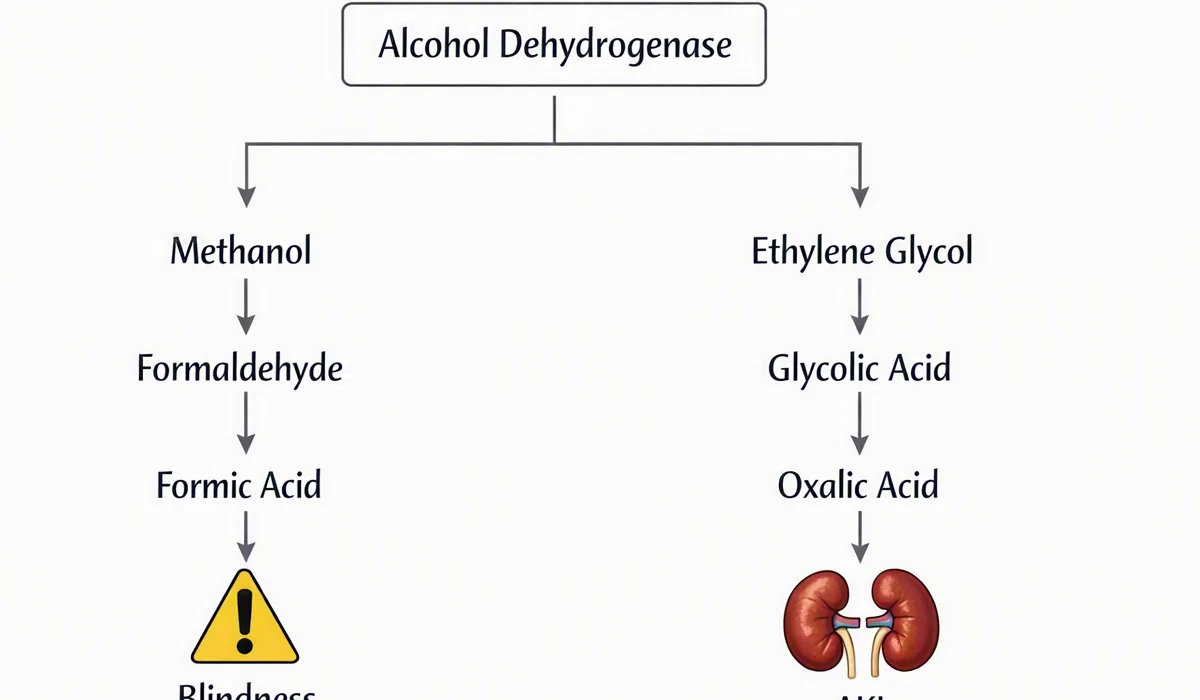
- Kidney failure can reduce acid excretion and contribute to a high anion gap. Kidney disease may gradually impair acid-base regulation and change the electrolyte pattern. Renal failure is yet another common setting in which acids collect and the gap rises. Toxins can produce a high gap by bringing in unmeasured acids or altering metabolism. Salicylates are an major toxin category and can be involved in salicylate poisoning, which may distort acid-base status in complex ways.
This matters because the anion gap is not just a mathematical result. It helps identify the type of problem behind an abnormal laboratory result. A high value may prompt a search for acids, toxins, or decreased clearance. A low value may raise the possibility of low protein states or analytical issues.
In many cases, the anion gap is only one part of a larger picture that includes symptoms, kidney function, and the rest of the serum electrolytes. That is why knowing the likely cause of an abnormal result is as important as learning the formula itself.
If applied properly, the gap acts as a practical interpretive guide for clinicians and patients reviewing a screening test result. It can point toward hidden acid problems, help distinguish different forms of acidosis, and support more targeted testing when needed.
Frequently Asked Questions About the Anion Gap
How is calculated the anion gap using lab values?
Use the anion gap formula: sodium minus the sum of chloride and bicarbonate. In other words, anion gap = sodium - (chloride + bicarbonate). You can also enter the same numbers into an Anion Gap Calculator to get a quick calculated value. Ensure the values come from the same lab test or basic metabolic panel so the result NAGMA workup shows the correct serum electrolytes.
What’s the normal anion gap range?
The expected range varies by laboratory, testing method, and the lab’s reference interval. Many labs use a quite narrow interval, but there is no single number that fits every setting. For the most accurate clinical interpretation, compare the result with the range listed on the report and consider whether albumin is normal.
What causes a high anion gap happen?
A elevated anion gap usually happens when extra acids build up in the blood, leading to acid-base imbalance. Common examples include lactic acidosis and diabetic ketoacidosis. It can also occur with certain toxins or in poor kidney function, where the body cannot remove acids effectively. The gap helps identify hidden acids that are not directly measured in routine labs.
May a low anion gap be a sign of a problem?
Yes. A decreased anion gap can be seen with albumin deficiency, multiple myeloma, or a laboratory error. Sometimes it is not clinically important, but it should not be ignored if it is unexpected or persistent. Rechecking the laboratory result and reviewing the rest of the chemistry panel can help determine whether the result is meaningful.
Is albumin correction needed when calculating the anion gap?
Yes, often, when albumin is low. Because albumin affects the measured balance of charges, a low albumin level can make the anion gap look falsely low. In those cases, clinicians may use a corrective factor to better estimate the true gap. This improves assessment and helps avoid missing a real acid-base issue.